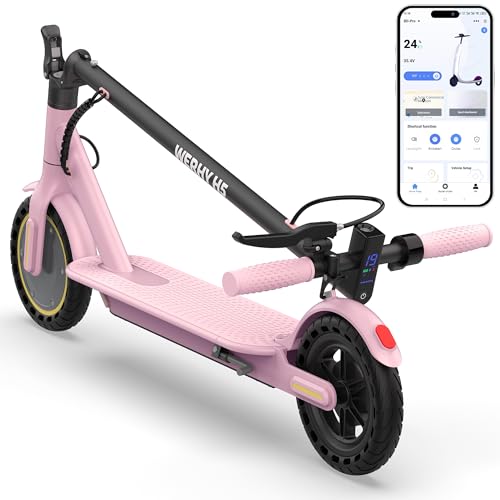
Guide
Electric scooter laws, explained in patterns
There is no single federal electric scooter law: every state and many cities set their own rules. But the same patterns repeat almost everywhere: a minimum age around 16 for public roads, helmets required under 18, a speed cap of 15 to 20 mph, and sidewalk riding often banned in business districts. Always check your specific state and city rules before riding on public streets, since exact numbers vary.
The patterns that repeat across states
Electric scooter laws vary by state and often again by city, but most follow a recognizable shape. These are general patterns, not a substitute for checking your own location:
| Rule | Common pattern |
|---|---|
| Minimum age (public roads) | commonly 16 |
| Helmet requirement | commonly required under 18 |
| Speed cap | most commonly 15 to 20 mph |
| Sidewalks | often banned in business districts |
| Bike lanes | usually allowed |
| Lights at night | commonly required, front and rear |
Kids' electric scooters, the smaller models rated 5 to 12.5 mph, are generally intended for private property, driveways and paths rather than public roads, regardless of state law, simply because most states set a minimum age around 16 for street riding.
California, as a worked example
California treats electric scooters as "motorized scooters" with a specific rule set: a 15 mph speed cap, a helmet required for riders under 18, and a driver's license or learner's permit required to operate one on public roads. This is one real state's rule set, not a national standard, and it is included here only to show how specific these laws can get. Do not assume any other state matches California.
New York, as a worked example
New York State legalized electric scooters statewide with local rules layered on top: a 20 mph speed cap statewide, a minimum age of 16, and helmets required for 16 and 17 year old riders. New York City sets its own tighter cap of 15 mph within city limits. This is another single real example, meant to show how a state rule and a city rule can differ from each other even within the same state.
Check your own state and city, every time
These two examples show real numbers, but they are not representative of every state. Rules genuinely differ on speed caps, minimum age, helmet requirements by age, whether a permit or registration is needed, and where you can ride (street, bike lane, sidewalk, path). Search "[your state] electric scooter law" and "[your city] electric scooter rules" before riding on public roads, and check again if you move or if your city updates its ordinances, which happens more often than most riders expect.
Helmets: the one rule worth following everywhere
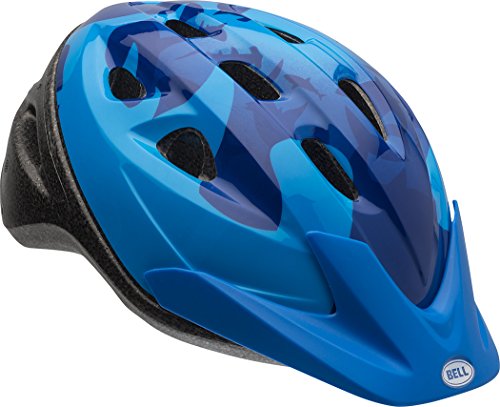
Even where local law does not require it for adults, wearing a helmet every ride is the single best thing a rider can do for themselves. For riders under 18, a properly fitted certified helmet like the Bell Rally child helmet ($18.99) is both commonly legally required and simply the right call. Adults on standard-speed commuter scooters should use at least a CPSC certified commuter helmet ($31.99).
Lights and visibility rules
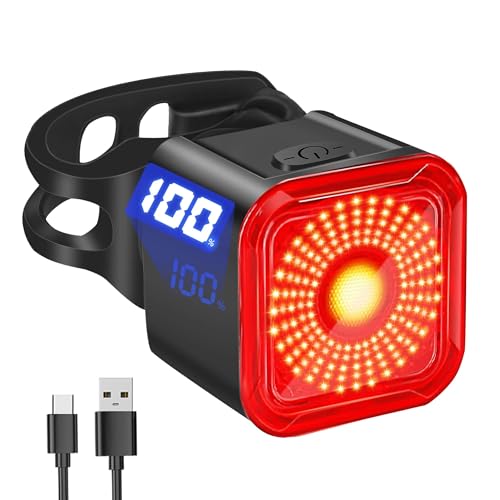
Front and rear lights at night are a common requirement across states, and a smart addition even where they are not legally required. A rechargeable rear light like the DARKBEAM tail light ($10.99) is inexpensive insurance against being missed by a driver at dusk. Some cities extend this requirement to daytime riding on certain roads, so check whether your local ordinance mentions lights specifically rather than assuming it only applies after dark.
Registration, insurance and licensing: another patchwork
Beyond speed and helmets, some states layer on additional requirements: California requires a driver's license or learner's permit to operate a motorized scooter on public roads, which is a meaningfully different bar than most states set. Other states require no license at all for a standard electric scooter. A smaller number of cities have experimented with registration or permit programs for personal scooters, separate from the shared rental scooter permits that many downtowns use. None of this is standardized, which is exactly why "check your state and city rules" is not a throwaway line here; it is the actual first step before you ride on a public road.
What happens if you break a local scooter law
Enforcement varies as much as the laws themselves. In most places, a first violation for something like sidewalk riding or missing a helmet results in a citation and a fine rather than anything more serious, similar to how many cities treat minor bicycle infractions. Repeat violations, riding well over the speed cap, or riding in a way that causes an accident can carry more serious consequences depending on the state. The safest approach is simply not to test this: read the actual rule for your city before your first ride rather than learning it from a citation.
What compliant riding usually needs


Prices change often; the button shows today's price on Amazon.
More guides
- Are electric scooters good for commuting?
- Electric scooter battery and charging safety
- Do you need a helmet on an electric scooter?
- Electric scooter tires and maintenance
- Electric scooters for college campus
- How fast do electric scooters go?
- How to ride an electric scooter safely
- Going from a scooter to a skateboard
- Will an electric scooter go up a hill?
Questions riders ask
Is there one national law for electric scooters?
No. Electric scooter law in the US is set state by state, and many cities layer additional rules on top of the state law. There is no single federal speed cap, age minimum or helmet rule. Always check your specific state and city, since two neighboring states or even a state and its largest city can set genuinely different rules.
What age can you legally ride an electric scooter on the street?
A minimum age around 16 for public road riding is the most common pattern, though the exact age and whether a permit is required varies by state. Kids' electric scooters rated for younger ages (5 to 12.5 mph classes) are generally meant for private property, driveways and paths rather than public streets, independent of the specific state law.
Do I need a helmet to ride an electric scooter?
Commonly required under 18, and strongly recommended for every rider regardless of age or local law. Some states set the requirement at a specific age band, like 16 and 17 year olds in New York, rather than a flat "under 18." Wearing a helmet every ride is the one rule worth following even where it is not legally mandated.
What is the typical speed cap for electric scooters?
Most states and cities cap electric scooters somewhere between 15 and 20 mph on public roads, regardless of what the scooter's hardware can actually do. California caps at 15 mph statewide; New York State caps at 20 mph but New York City caps at 15 mph within city limits. Always confirm the cap for your specific location.
Can I ride an electric scooter on the sidewalk?
Often restricted, especially in business districts, though rules vary widely by city. Bike lanes are usually allowed and are generally the safer, more legal choice where available. Check your specific city ordinance, since some allow sidewalk riding in residential areas at low speed while banning it downtown.
Wear a helmet every ride, and check your state and city rules on age, speed and where scooters may ride. This page is researched guidance, not professional, legal or medical advice. Specifications come from each product listing and can change; confirm on the listing before you buy.