
Best picks · three tiers
Best electric scooters for hills
The NAVEE GT3 at $449.99 is the best all-around hill pick: a 500W rated motor with suspension on 10 inch tires holds speed on grades that stall lighter scooters.
Picks by budget: beginner, intermediate and expert
Oslich Electric Scooter Adults

$159.99 · 500W · 20 mph · 21 mi claimed · 265 lb max · 8.5 in wheels
Who it is for: Riders with one moderate hill on the commute who do not want to pay for a dual-motor scooter.
The Oslich Electric Scooter runs a 500W motor to a claimed 20 mph and 21 miles on 265 lb max load 8.5 inch tires, putting real hill-holding wattage into one of the cheaper scooters in the catalog.
Skip it if: Steep or repeated hills; a single 500W motor holds around 7.5 mph on a 10 percent grade but will lose ground on anything steeper for long.
Check price on Amazon Full specsNAVEE GT3 Electric-Scooter-Adults

$449.99 · 265 lb max
Who it is for: Commuters with a real, regular hill who want suspension and comfort along with the power.
The NAVEE GT3's 500W motor and dual suspension are built for exactly this: enough torque to hold speed on grades that sag a smaller scooter, without the price or bulk of a dual-motor performance model.
Skip it if: Riders facing very steep or long climbs who need the extra ceiling of a 1000W-plus motor instead.
Check price on Amazon Full specsHiboy Titan Pro Electric Scooter

$1,299.99 · 1200W · 31 mph · 80 mi claimed · 300 lb max
Who it is for: Riders with steep, repeated or long hills where a single motor genuinely is not enough.
The Hiboy Titan Pro runs dual 1200W motors (2400W combined peak) with a claimed 80 mile range and a 300 lb max load, the strongest hill-climbing setup in our catalog; dual motors mean both wheels are driven, which holds speed on grades a single-motor scooter, even a powerful one, will still slip or sag on.
Skip it if: Say plainly: flat-ground commuters, apartment dwellers who need to carry it (this is a heavy scooter), and anyone on a budget. That much motor and range is wasted on a route without real hills.
Check price on Amazon Full specsAlso worth a look
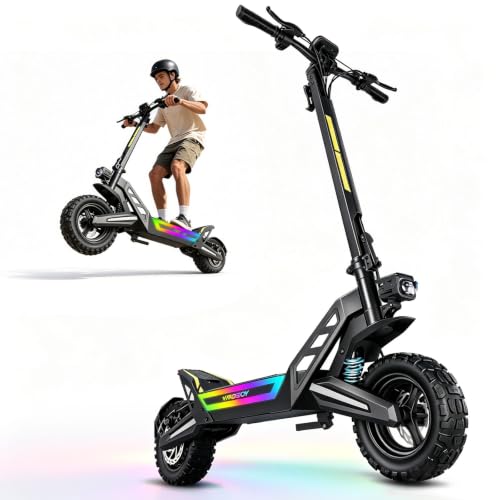


Prices change often; the button shows today's price on Amazon.
What's the best electric scooter for hills?
Hill performance comes down to rated motor watts, not the sticker top speed. A scooter advertised at "20 percent grade" on the box is almost always tested with a light rider and does not reflect what happens with an average adult on board. The picks above are ranked by real motor wattage against the site's hill model: 350W holds about 5.5 mph on a 10 percent grade, 500W about 7.5 mph, and 1000W about 14 mph, with dual-motor scooters like the Titan Pro effectively doubling the torque available at the wheels.
How we chose these scooters
Nobody rode these up an actual hill for this page. Every pick comes from the manufacturer's stated motor wattage (single or dual), claimed top speed, claimed range and weight limit, checked against certifications the brand states, and weighed against recurring hill-related comments in verified owner reviews, since hill performance is one of the most commonly discussed real-world issues in scooter reviews.
How much does grade actually matter?
A lot, and the effect is not linear. A 350W motor holds a decent 8 mph pace up to only about a 6 percent grade before speed drops off further; push that same motor to a 10 percent grade and it settles closer to 5.5 mph. That is why sticker claims like "climbs 20 percent grades" need real skepticism: they are usually measured with a rider well under 200 lb, and peak power (the number the "up to" figure often reflects) only helps on short hills, not a sustained climb. Use the hill climb calculator with your actual weight and grade before buying on the sticker number alone.
Does rider weight change hill performance?
Yes, on top of the grade itself. A heavier rider both slows hill speed and shortens range, roughly a 15 percent range cut at 250 lb versus 165 lb on flat ground, with hills making that gap worse. If you are riding a real hill and are on the heavier side, size up a full tier of motor wattage from what a flat-ground commuter of the same weight would need, and check our heavy adult picks if you are over 250 lb.
Buying tips for hilly routes
Look past the top speed number and check the stated motor wattage, and whether it is single or dual motor; dual motor scooters drive both wheels and handle grip and grade far better than a single motor pushing the same combined wattage. Suspension matters more on hilly, uneven routes than on flat commutes. Buy only UL 2272 listed scooters, and expect shorter range on hilly routes than the flat-ground claimed number suggests.
How the picks compare
| Beginner | Intermediate / Top Pick | Expert | |
|---|---|---|---|
| Motor | 500W | 500W (700W peak) | Dual 1200W |
| 10% grade speed (site model) | ~7.5 mph | ~7.5 mph | faster, dual-driven |
| Top speed (claimed) | 20 mph | 19.9 mph | 31 mph |
| Range (claimed) | 21 miles | 31 miles | 80 miles |
| Price | $159.99 | $449.99 | $1,299.99 |
The picks, side by side
Including the helmet that suits this rider: no scooter setup is complete without one.


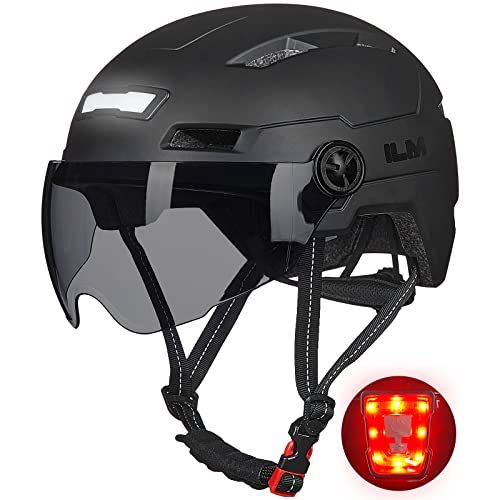
Prices change often; the button shows today's price on Amazon.
More roundups
- Best electric scooters for kids
- Best electric scooters for teens
- Best electric scooters under $500
- Best fast electric scooters
- Best kick scooters for kids
- Best skate helmets
Get these picks and prices by email
One page with every item and its current price, so you can budget the whole setup, helmet included, before you buy any of it.
Used only to send the list. You can also just read it on this page.Questions riders ask
Will an electric scooter go up a hill?
Most will, but how well depends on the motor's rated watts, not its top speed on flat ground. A 350W motor manages around 5.5 mph on a 10 percent grade, a 500W motor around 7.5 mph, and a 1000W motor around 14 mph, using a roughly 210 lb rider and scooter as the baseline. Steeper or longer hills need more wattage than a quick flat-ground test ride would suggest.
How much motor power do I need for hills?
For a moderate, occasional hill, 500W is usually enough to hold a reasonable pace. For steep or repeated climbs, look for 1000W or more, ideally in a dual-motor setup, since that drives both wheels rather than pushing all the torque through one. A 350W motor is best treated as a flat-ground scooter; it will noticeably sag on anything beyond a gentle slope.
Are dual-motor scooters worth it for hills?
Yes, if your hills are steep or frequent. A dual-motor scooter splits torque across both wheels, which improves both traction and sustained climbing speed compared to a single motor of similar combined wattage. The tradeoff is weight, price and often a shorter footprint for portability, so a dual-motor scooter makes the most sense for riders with a real, regular hill rather than an occasional one.
Do sticker climb grades on the box mean anything?
Treat them as a best case, not a guarantee. Manufacturers usually measure a stated climb grade with a rider well under 200 lb and sometimes at peak rather than sustained power. Peak power helps only on short hills; a long climb depends on the rated, sustained wattage. Run your own weight and grade through the hill climb calculator rather than trusting the box number alone.
What helmet do I need for a hill-capable scooter?
Most hill-focused scooters in this list stay under 20 mph, where a CPSC-certified bike helmet like the DKONI Bike Helmet at $36.98 is enough. If you go with the dual-motor Expert pick, which claims 31 mph, step up to a full-face helmet instead, since speeds at that level call for more coverage than a standard bike helmet provides.
Wear a helmet every ride, and check your state and city rules on age, speed and where scooters may ride. This page is researched guidance, not professional, legal or medical advice. Specifications come from each product listing and can change; confirm on the listing before you buy.