


Calculator
Scooter Match Calculator
Match the scooter to the rider, not the other way round. Kids under 16 belong on a kids or teen class rated for their age and speed; adults need a battery that covers the round trip with 25 percent to spare, a motor sized for their hills, and a max load at least 15 percent above what they weigh with a bag. A 180 lb commuter doing 4 miles each way on flat ground needs roughly 190 Wh usable and 350W; add real hills and that becomes 500W or more.
Rider matchUpdates as you type
Match: a mid commuter scooter
- Round trip plus 25% buffer
- 10.0 miles
- Estimated use at 15 mph
- 18.1 Wh per mile
- Battery to look for
- 210 Wh or more
- Motor for your hills
- 300W rated or more
- Max load to look for
- 220 lb or more (you + bag + 15%)
- Matches in budget
- 45
Picks below clear the battery, motor and weight numbers using each listing's own specs. Claimed range is usually measured with a 165 lb rider at eco speed, so this calculator sizes from physics instead.
Commuter scooters across the price range
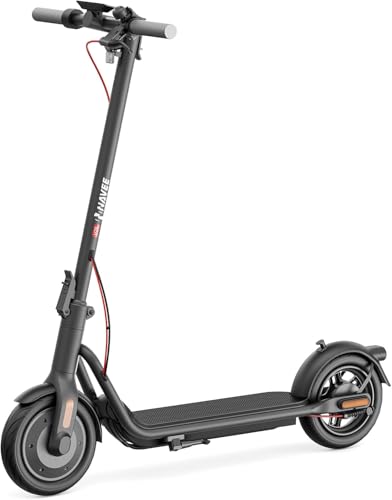


Prices change often; the button shows today's price on Amazon.
This calculator matches you to a category of electric scooter based on your weight, typical trip distance, hills on your route and whether you need seating or a specific speed cap. Instead of scrolling through hundreds of listings, answer a few questions about how you will actually use it and get a filtered shortlist that fits your rider profile: weight headroom, real range for your distance, and enough motor power for your terrain.
How the match logic works
The matcher runs your inputs through the same constants used across this site. Your weight is checked against each scooter's max load rating with a safety margin (aim to keep rider plus bag at least 15 percent under the max load, so a 250 lb rider on a 265 lb rated scooter is already at 94 percent of the limit and gets flagged). Your trip distance is checked against real range, not claimed range: real range is roughly 60 to 80 percent of the box claim, because that claim assumes a 165 lb rider on flat ground in warm weather. Hills you mention push the filter toward higher rated wattage, since a 350W motor holds only about 5.5 mph at a 10 percent grade while a 1000W motor holds about 14 mph.
A worked example
Say you are a 190 lb rider with a 4 mile each-way commute that includes one moderate hill, and you want a seat. The matcher first drops any scooter rated under about 225 lb (190 lb rider plus a bag, with margin). It then requires claimed range of at least 20 miles, since an 8 mile round trip needs a real range buffer above 60 to 80 percent of claim. The hill note pushes the filter toward at least 500W rated power. The seat requirement narrows the field to the e-seat category. What is left is a short, genuinely relevant list instead of every scooter in the catalog.
What this match does not account for
The matcher works from stated specs and category, not personal preference for a brand, color or exact top speed feel. It cannot know your local speed cap or helmet law, so always check your own state and city rules separately. It also cannot judge ride comfort, which depends on tire type (pneumatic vs solid) and suspension, both worth reading about in the individual scooter's listing before you buy.
More calculators
Range estimatorEstimate real electric scooter range from battery Wh, rider weight, speed, hills, temperature and tire type, u...Weight headroomAdd rider, backpack and cargo, compare against the scooter max load, and see the headroom, the range you lose,...Hill climbMotor watts against grade and rider weight: the speed an electric scooter holds up a hill on rated and peak po...Charging and costHow long an electric scooter takes to charge and what it costs: charger watts, battery Wh and your electricity...Commute savingsCompare a scooter commute with driving or transit: fuel, parking, fares, electricity and wear per year, and ho...Kids scooter sizeEnter a child age and height to get the right scooter type (3-wheel, 2-wheel kick, pro or electric), the handl...Pro scooter sizeRider height and riding style in, pro scooter total height and bar height out, with the bar-height chart rider...Helmet sizeMeasure head circumference, pick the kind of riding, and get the helmet size, the certification that riding ca...
Questions riders ask
How accurate is the weight-based filtering?
It uses each scooter's stated max load rating and applies a 15 percent safety margin, so a 265 lb rated scooter is filtered out for riders whose weight plus a bag pushes past about 225 lb of that rating. This margin exists because heavier loads reduce both range and hill speed, not just because of a hard weight cutoff, so staying under the margin keeps performance closer to what is advertised.
Why does the calculator ask about hills if I only ride flat ground?
Motor wattage requirements change dramatically with grade. A 350W motor that is perfectly fine on flat ground holds only about 5.5 mph on a 10 percent grade, which feels like crawling. If you skip the hill question or say "flat," the matcher will not filter out lower-wattage scooters that would otherwise struggle on your actual route.
Does the match account for cold weather range loss?
It builds in the general 60 to 80 percent real-versus-claimed range factor, but it does not adjust further for a specific climate. Cold weather costs additional range on top of that: about 10 percent less at 50°F, 20 percent less at 32°F, and 30 percent less at 14°F. If you commute through real winters, look for range headroom above what the match already suggests.
What should I do if no scooter matches all my criteria?
Loosen the least important constraint first, usually seat preference or exact speed, rather than weight or range, since those two directly affect safety and whether the scooter actually gets you where you are going. The heavy adult and long range roundups are good places to look next if the matcher returns a short list.
Wear a helmet every ride, and check your state and city rules on age, speed and where scooters may ride. This page is researched guidance, not professional, legal or medical advice. Specifications come from each product listing and can change; confirm on the listing before you buy.