
Head to head
Pro scooter vs kick scooter
A kick scooter, like the Razor A5 LUX at $119.97, folds flat and has an adjustable handlebar for getting around the neighborhood. A pro scooter, like the Root Industries Type R at $174.95, is a one-piece, fixed-height rig with a reinforced deck and compression system built to survive drops, grinds and jumps at a skatepark.
| Pro scooter | Kick scooter | |
|---|---|---|
| Example model | Root Industries Type R | Razor A5 LUX |
| Folds for storage | No, one fixed piece | Yes, most fold flat |
| Handlebar height | Fixed, matched to rider height at purchase | Adjustable, grows with the rider |
| Deck and compression | Reinforced deck, threaded or HIC compression system built for impact | Standard deck, not built for repeated hard landings |
| Wheel size | Typically 100 to 120 mm, smaller and harder | Typically 200 mm and up, larger and smoother rolling |
| Where it is ridden | Skateparks, ramps, rails, street obstacles | Sidewalks, driveways, neighborhood streets |
| Typical price | $65 to $260 | $32 to $180 |
| Best for | Tricks: grinds, jumps, rail slides | Getting from point A to point B |
The core difference: what each one is built to survive
A kick scooter like the Razor A5 LUX is built for rolling, not landing. A pro scooter like the Root Industries Type R is built specifically to survive repeated hard landings, grinds and impacts at a skatepark, with a reinforced deck and a compression system (the part that clamps the fork to the handlebar tube) designed not to loosen or crack under that kind of stress. Riding a standard kick scooter the way a pro scooter is meant to be ridden risks real component failure.
Fixed height vs adjustable height
Kick scooters almost universally have an adjustable handlebar so one scooter can fit a child for several years of growth. Pro scooters are typically sold at a fixed bar height matched to the rider's height at purchase, since a taller bar changes leverage and control during tricks in ways an adjustable clamp cannot reliably handle at skatepark impact loads. Our pro scooter size calculator maps rider height to the right fixed bar height before you buy, since bars can be cut shorter but never extended.
Wheels: small and hard vs large and smooth
Pro scooter wheels typically run 100 to 120 mm, smaller and harder than a kick scooter's usual 200 mm-plus wheels. Smaller wheels react faster for tricks and clear obstacles at a skatepark, but roll less smoothly over long distances and rough pavement. A kick scooter's larger wheels are built for the opposite priority: covering ground comfortably rather than performing tricks.
Price reflects durability, not just brand
Entry pro scooters start around $65 and climb past $250 for pro-team-grade components like those on the Root Industries Type R, reflecting reinforced decks, stronger compression systems and higher-grade wheel bearings built to survive real impact. Kick scooters span a similar low end but rarely climb as high, since they are not engineered against the same repeated stress.
The path from kick scooter to pro scooter
Most riders start on a kick scooter for transportation and only move to a pro scooter once they are actually riding at a skatepark and attempting tricks. See our scooter to skateboard guide for how that progression often continues from a pro scooter into skating.
Helmet and pads either way
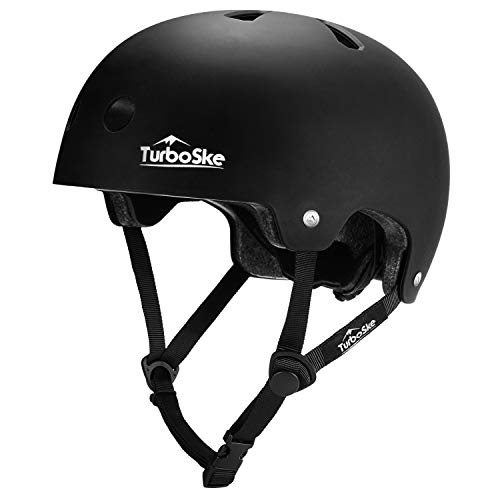
Wear a helmet on either type, and a skatepark rider on a pro scooter should look for a helmet that is dual certified, meeting both CPSC and ASTM F1492, the multi-impact skateboard standard, since a single hard landing can be followed by more riding the same session. A standard bike helmet meeting CPSC alone is fine for casual kick scooter riding on sidewalks and driveways.
The picks from this comparison


Prices change often; the button shows today's price on Amazon.
Other comparisons
- Electric scooter vs electric bike: which one fits your ride
- Hiboy S2 vs S2 Pro
- Hiboy vs Gotrax: the budget commuter matchup
- Kick scooter vs electric scooter for kids
- Segway Ninebot MAX G30P vs MAX G2
- Solid vs pneumatic scooter tires
- Three-wheel vs two-wheel kids scooters
Questions riders ask
Can I do tricks on a regular kick scooter?
You can attempt basic tricks, but a standard kick scooter is not built to survive repeated hard landings the way a pro scooter is. The compression system, deck and wheels on a kick scooter are designed for rolling and folding, not skatepark impact, so components can loosen, crack or fail faster under that kind of stress than a purpose-built pro scooter would.
Why do pro scooters not fold like kick scooters?
Folding mechanisms add a hinge point that is a weak spot under the repeated hard impacts of skatepark riding. Pro scooters are built as one solid piece specifically to avoid that failure point, trading portability for durability. A kick scooter, built for smooth pavement rather than jumps and grinds, does not face the same stress and can safely include a fold.
What size pro scooter should I buy?
Match total height, ground to the top of the bar, to rider height using our pro scooter size calculator: under 4 feet tall wants 28 to 30 inches, up to 5 feet 10 wants around 35 to 37 inches, and taller riders want 36 to 39 inches. Bars can be cut shorter after purchase but never safely extended, so when between sizes, size up.
Is a pro scooter more dangerous than a kick scooter?
Pro scooter riding, by nature of skatepark tricks, carries more fall risk than casual kick scooter riding on flat sidewalks. That is a function of what the rider is attempting, not a flaw in the scooter. A dual-certified helmet (CPSC and ASTM F1492) and knee and elbow pads meaningfully reduce injury risk for pro scooter riding specifically.
Can a kick scooter be upgraded into a pro scooter?
Not really. The frame, compression system and deck on a genuine pro scooter are built to a different strength standard than a kick scooter's, so swapping parts onto a kick scooter frame does not make it safe for skatepark impact. If a rider is ready for tricks, buy a purpose-built pro scooter rather than modifying a kick scooter.
Wear a helmet every ride, and check your state and city rules on age, speed and where scooters may ride. This page is researched guidance, not professional, legal or medical advice. Specifications come from each product listing and can change; confirm on the listing before you buy.