
Head to head
Kick scooter vs electric scooter for kids
A kick scooter, like the WAYPLUS KS1 at $99.99, is the safer and cheaper starting point for most kids, since it builds real balance and stops instantly when a kid stops pushing. An electric scooter, like the Segway Ninebot eKickScooter C2 at $149.99, suits an older kid ready for a capped, supervised speed on private property.
| Kick scooter | Electric scooter for kids | |
|---|---|---|
| Example model | WAYPLUS KS1 | Segway Ninebot eKickScooter C2 |
| Typical price | $32 to $180 | $113 to $280 |
| Top speed | Human-powered, self-limited | 5 to 12.4 mph depending on model |
| Stops how | Instantly once the child stops pushing | Coasts after releasing the throttle, needs the brake |
| Builds balance and coordination | Yes, directly | Less so, the motor does the work |
| Supervision needed | Standard playground-level supervision | Closer supervision, especially at first |
| Where it belongs | Sidewalks, driveways, parks | Private property, paths and driveways, check local rules |
| Charging or batteries | None | Needs charging before every ride |
Why kick scooters come first
A kick scooter like the WAYPLUS KS1 requires a kid to balance, steer and push, all at once, which is exactly the coordination that makes the switch to a bike or an electric scooter easier later. It also has a built-in speed limit: a kid can only go as fast as they can push, and stops the instant they stop pushing. That makes it the lower-risk starting point for almost every kid, regardless of age.
What an electric scooter changes
An electric scooter like the Segway Ninebot eKickScooter C2 removes the pushing effort and adds a throttle, which means a kid can reach speed without having built the balance to handle it safely. This is why electric kids scooters are generally sized to speed by age: ages 3 to 5 top out around 5 mph, ages 6 to 7 run 6 to 10 mph kick-to-start, ages 8 to 9 around 10 mph, and ages 10 to 12 around 10 to 12.5 mph. The C2 fits the 6-to-12 range at 9.9 mph with a stated 110 lb max weight.
The stop is different, and that matters
A kick scooter stops the moment a child stops pushing, since there is no stored momentum from a motor. An electric scooter coasts after the throttle is released, and a young rider has to actually use the brake to stop, a skill that takes practice. This is the single biggest reason to make sure a kid has already mastered stopping on a kick scooter or a bike before handing them an electric one.
Where each one is actually allowed
Kids electric scooters are generally intended for private property, paths and driveways, not public roads, and rules vary by state and city, so always check your state and city rules before letting a kid ride on a sidewalk or in a bike lane. A kick scooter faces far fewer restrictions since it has no motor and no meaningful top speed to regulate.
The helmet is not optional on either one
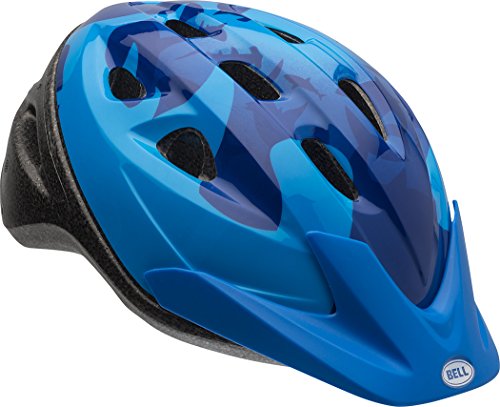
Every ride, kick or electric, needs a helmet that fits. For a typical 8-year-old's head, around 52.5 cm, a helmet like the DARME Kids Bike Helmet Set at $23.50 covers the common S to M range and includes knee and elbow pads. Use our helmet size calculator to check head circumference before buying, since a loose helmet protects far less than a properly fitted one.
When to make the switch
Move from kick to electric once a kid can balance, steer and stop confidently on the kick scooter without wobbling, generally somewhere in the 6-to-9 age range depending on the child. Start any first electric scooter at its lowest speed setting on a flat, enclosed area like a driveway before letting a kid ride it anywhere else.
The picks from this comparison

Best electric scooter pick Segway Ninebot eKickScooter C2 w/6.8 mi Max Operating Range & $149.99 Check price on Amazon

Prices change often; the button shows today's price on Amazon.
Other comparisons
- Electric scooter vs electric bike: which one fits your ride
- Hiboy S2 vs S2 Pro
- Hiboy vs Gotrax: the budget commuter matchup
- Pro scooter vs kick scooter
- Segway Ninebot MAX G30P vs MAX G2
- Solid vs pneumatic scooter tires
- Three-wheel vs two-wheel kids scooters
Questions riders ask
What age should a kid get an electric scooter instead of a kick scooter?
There is no fixed age, but most electric kids scooters are marketed starting around age 6 to 8, and only once a child already balances and stops confidently on a kick scooter or a bike. Speed should scale with age: 5 mph for ages 3 to 5, up through 10 to 12.5 mph for ages 10 to 12, so pick the model that matches both age and demonstrated skill, not just age alone.
Are electric scooters for kids more dangerous than kick scooters?
They carry more risk mainly because they reach speed without requiring the balance and coordination that earning that speed on a kick scooter builds naturally. The fix is not avoiding electric scooters entirely, it is making sure a kid has already mastered a kick scooter or bike first, starting at the lowest speed setting, and supervising closely on the first several rides.
Can a kid ride an electric scooter on the sidewalk?
Kids electric scooters are generally intended for private property, paths and driveways rather than public sidewalks or roads, and specific rules vary by state and city. Always check your local rules before assuming sidewalk riding is allowed, since some cities restrict any motorized scooter regardless of rider age or speed cap.
Do electric scooters for kids have a weight limit?
Yes, most kids electric scooters in our catalog state a max rider weight, commonly around 110 to 132 lb depending on the model. Check the specific listing against your child's weight using CDC growth data as a reference (a typical 10-year-old is around 70 lb) before buying, since exceeding the stated limit affects both handling and warranty coverage.
Should a first electric scooter be the fastest one available?
No, start with the slowest capable model for the child's age and let them build confidence before moving up. A kid who has never used a throttle-controlled vehicle should start well under their age band's typical top speed, on a flat, enclosed area, before riding anywhere with other people, pets or obstacles around.
Wear a helmet every ride, and check your state and city rules on age, speed and where scooters may ride. This page is researched guidance, not professional, legal or medical advice. Specifications come from each product listing and can change; confirm on the listing before you buy.