
Best picks · three tiers
Best kick scooters for kids
The Micro Kickboard Sprite 2-Wheel Foldable Kids Scooter at $119.99 is the pick most families should buy once: rated for ages 6 and up to 220 lb, it has the weight headroom to last from early elementary through a growth spurt.
Picks by budget: beginner, intermediate and expert
Razor Scooter A Model Kick Scooter

$31.97
Who it is for: A first 2-wheel kick scooter for a kid moving up from a 3-wheel toddler model, where you're not sure it'll get daily use yet.
The classic Razor A Model Kick Scooter, priced at $31.97, is the scooter most people picture when they picture a kick scooter: simple, lightweight, and inexpensive enough that outgrowing it in a year doesn't sting.
Skip it if: Bigger or older kids who need a higher weight limit and larger wheels for rougher pavement.
Check price on AmazonMicro Kickboard Sprite 2-Wheel Foldable Kids Scooter

$119.99 · 220 lb max · ages 6+
Who it is for: Covered above as the top pick.
220 lb weight limit, ages 6 and up, foldable, $119.99, built to last multiple growth spurts rather than a single season.
Skip it if:
Check price on AmazonHUDORA BigWheel 205 Advanced Kick Scooter
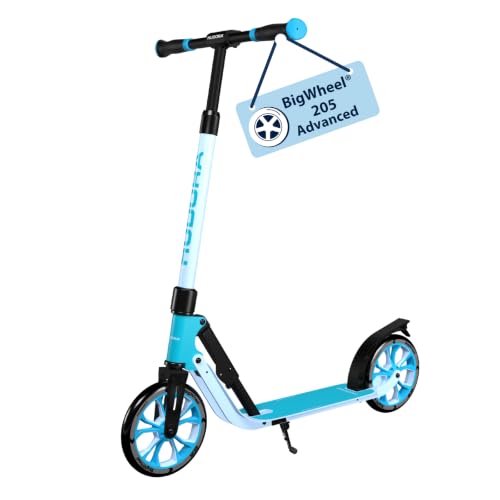
$182.74 · 220 lb max · 205 mm wheels
Who it is for: Older kids and preteens who ride farther and want bigger wheels for a smoother, faster ride over cracks and rough sidewalk.
The HUDORA BigWheel 205 uses 205 mm wheels, nearly triple the diameter of a basic Razor A's, with a 220 lb limit and a lightweight folding aluminum frame, priced at $182.74. Bigger wheels roll over cracks and small obstacles that would stop a small-wheeled scooter cold.
Skip it if: A younger kid just learning to ride, where the bigger wheelbase and higher-speed feel are more scooter than they need yet.
Check price on AmazonAlso worth a look


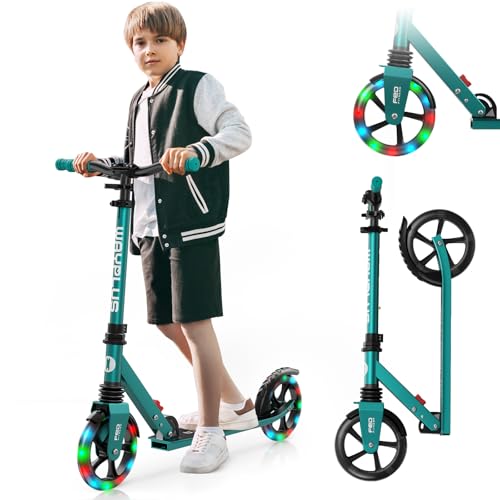
Prices change often; the button shows today's price on Amazon.
How we chose these scooters
Nothing here was ridden or tested in person. Picks come from manufacturer specifications, weight ratings, wheel size and recurring themes in verified owner reviews about how steering and wheels hold up to daily riding on sidewalks and driveways over months, not just out of the box.
When kids move from 3-wheel to 2-wheel
The usual convention is a switch around age 5, once a kid can balance confidently on a bike or has clearly outgrown a 3-wheel toddler scooter's lean-to-steer front end. A 2-wheel kick scooter demands real balance the way a bike does, so if your kid still needs training wheels, a 3-wheel model may still be the better fit for another season. See our 3-wheel vs 2-wheel comparison for the full breakdown.
Weight limit and wheel size go together
A higher weight limit almost always comes with bigger wheels, and bigger wheels roll smoother over cracked sidewalks and small rocks that stop a small-wheeled scooter cold. Budget scooters in the 100 to 130 lb range typically use small polyurethane wheels fine for a driveway, while 220 lb rated scooters usually step up to wheels in the 200 mm class that ride noticeably smoother on real neighborhood pavement.
Handlebar height as kids grow
The fit convention is a handlebar between hip and waist, roughly 50 to 60 percent of height. All the picks above have an adjustable handlebar, which matters more for kick scooters than for a one-size electric model because kids in this age range grow fast and a scooter that fits at 6 should still fit reasonably at 9 or 10 with the handlebar raised.
Comparing the picks
| Razor A Model | Micro Kickboard Sprite | HUDORA BigWheel 205 | |
|---|---|---|---|
| Weight limit | check listing | 220 lb | 220 lb |
| Wheel size | small, standard | standard | 205 mm |
| Foldable | no | yes | yes |
| Frame | steel | check listing | aluminum |
| Price | $31.97 | $119.99 | $182.74 |
A helmet, and a dual-certified one is a smart upgrade
A CPSC certified bike helmet is the minimum for any kick scooter riding. Kids who also curb-hop, ride at a skatepark occasionally, or roll off small ledges get real extra protection from a dual-certified helmet like the 80SIX Triple Certified Multisport Helmet ($24.99), which meets both CPSC and the ASTM F1492 skateboard multi-impact standard for about the same price as a basic bike-only helmet. Wear it every ride, and replace it after any real crash.
The picks, side by side
Including the helmet that suits this rider: no scooter setup is complete without one.

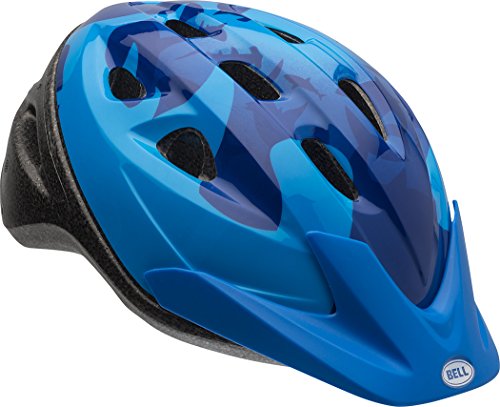

Prices change often; the button shows today's price on Amazon.
More roundups
- Best kids scooter helmets
- Best knee and elbow pads
- Best long range electric scooters
- Best skate helmets
- Best toddler scooters
- Best electric scooter accessories
Get these picks and prices by email
One page with every item and its current price, so you can budget the whole setup, helmet included, before you buy any of it.
Used only to send the list. You can also just read it on this page.Questions riders ask
What weight limit should a kids kick scooter have?
At minimum, aim for at least 15 percent above your kid's current weight plus shoes. A basic budget kick scooter often tops out lower than you'd expect, so a bigger or older kid, especially one approaching 100 lb, should look at a 220 lb rated scooter like the Micro Kickboard Sprite or HUDORA BigWheel rather than a starter model.
Does wheel size matter on a kick scooter?
Yes, more than most parents expect. Bigger wheels, in the 200 mm class, roll over sidewalk cracks and small rocks that stop a small-wheeled scooter and can throw a kid forward. If your kid rides on anything rougher than a smooth driveway, prioritize wheel size alongside weight limit.
Is a folding kick scooter worth it for a kid?
It depends on how you use it. If the scooter travels in a car trunk to a park or gets carried into school, folding is genuinely useful. If it lives in the garage and gets ridden from the driveway, a non-folding scooter is one less hinge to eventually loosen and is often a bit lighter.
What is the difference between a kick scooter and a pro scooter for kids?
A kick scooter is built for transportation and casual riding, with a lighter frame not meant for jumps or grinds. A pro scooter has a reinforced deck, compression system and thicker bars built to survive tricks at a skatepark. Putting a kid who wants to do tricks on a basic kick scooter usually ends in a bent or cracked frame.
Should a kid wear a helmet on a kick scooter?
Yes, every ride, even on a non-electric scooter. Kick scooters still reach real speed downhill and a fall onto pavement can cause a serious head injury regardless of how the scooter is powered. A CPSC certified helmet is the baseline, and a dual CPSC and ASTM F1492 certified helmet adds protection for kids who also ride curbs or skateparks.
Wear a helmet every ride, and check your state and city rules on age, speed and where scooters may ride. This page is researched guidance, not professional, legal or medical advice. Specifications come from each product listing and can change; confirm on the listing before you buy.