


Calculator
Electric Scooter Commute Savings Calculator
A 4 mile each-way commute, 5 days a week, is about 2,000 miles a year. Driving that at 27 mpg and $3.40 gas with $8 parking costs about $2,300 a year once wear is counted; a scooter costs about $70 in electricity and upkeep, so a $500 scooter pays for itself in under 3 months. Against a $2.90 each-way transit fare the payback is about 4.5 months.
Commute savingsUpdates as you type
Saves about $2,289 a year; pays back in 2.6 months
- Commute miles per year (48 weeks)
- 1,920
- Driving: fuel, wear and parking per year
- $2,354
- Scooter electricity and upkeep per year
- $65
- Five-year saving after buying the scooter
- $10,946
Car wear uses 10 cents a mile for tires, oil and maintenance; insurance and depreciation are left out, so the real car cost is higher. Budget for a helmet, lock and lights on top.
Commuter scooters that pay back fastest
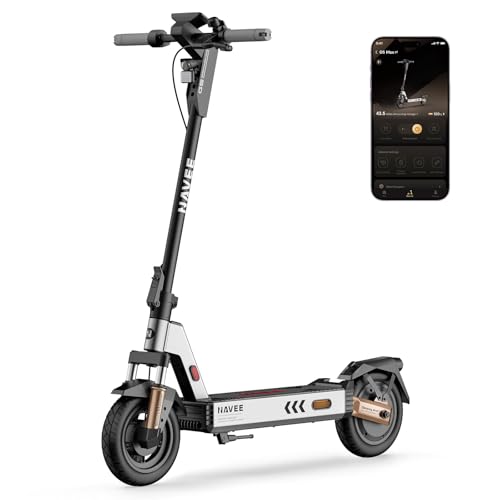

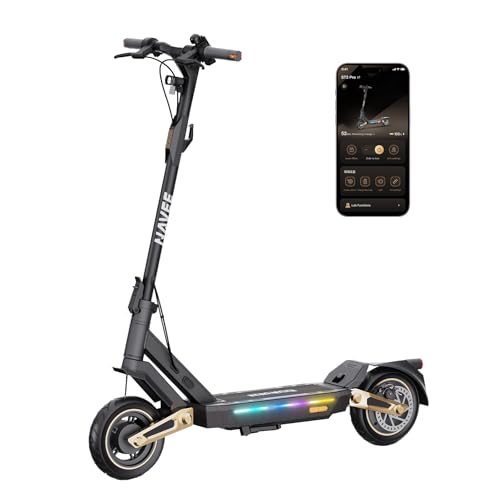

Prices change often; the button shows today's price on Amazon.
This calculator compares the yearly cost of commuting by electric scooter against driving, using your actual round-trip distance, gas price and parking cost. The gap between the two is usually much larger than people expect, since scooter electricity costs pennies per charge while gas and parking add up daily. Enter your commute distance and driving costs to see your specific savings estimate.
How the savings estimate is built
The calculator starts with your round-trip commute distance and typical work weeks per year, then compares two cost paths. Driving cost is distance divided by your car's miles per gallon, times your local gas price, plus daily parking if you pay for it. Scooter cost is distance divided by real-world miles per Wh (using the 60 to 80 percent real-range factor), converted to a charging cost at your electricity rate, plus a modest allowance for tires and basic upkeep over a year.
A worked example
A 4 mile each-way commute, 5 days a week, is about 1,920 miles a year. Driving that at 27 mpg with gas at $3.40 a gallon and $8 daily parking costs roughly $2,350 a year. The same distance on a scooter costs about $65 a year in electricity and upkeep, since a full charge runs 5 to 11 cents and covers well more than a single day's commute. The difference, over $2,200 a year in this example, is the actual number this calculator is built to surface.
What this comparison leaves out
This is a direct cost comparison, not a full financial model; it does not include the scooter's purchase price (which is typically recovered within the first year at this kind of daily use), nor does it include car costs beyond gas and parking, like insurance, maintenance or depreciation, which would widen the gap further in the scooter's favor. It also assumes weather permits regular scooter use; days you drive instead because of rain, snow or ice reduce the realized savings proportionally to how often that happens.
More calculators
Rider matchEnter the rider: age, height, weight, commute, hills and budget. Get the scooter class they need, the battery,...Range estimatorEstimate real electric scooter range from battery Wh, rider weight, speed, hills, temperature and tire type, u...Weight headroomAdd rider, backpack and cargo, compare against the scooter max load, and see the headroom, the range you lose,...Hill climbMotor watts against grade and rider weight: the speed an electric scooter holds up a hill on rated and peak po...Charging and costHow long an electric scooter takes to charge and what it costs: charger watts, battery Wh and your electricity...Kids scooter sizeEnter a child age and height to get the right scooter type (3-wheel, 2-wheel kick, pro or electric), the handl...Pro scooter sizeRider height and riding style in, pro scooter total height and bar height out, with the bar-height chart rider...Helmet sizeMeasure head circumference, pick the kind of riding, and get the helmet size, the certification that riding ca...
Questions riders ask
Is $2,350 a year in driving costs realistic?
It is a realistic estimate for the specific assumptions used: a 4 mile each-way commute, 5 days a week (about 1,920 miles a year), 27 mpg fuel economy, $3.40 per gallon gas, and $8 daily parking. Your actual number will differ based on your car's efficiency, local gas prices and whether you pay for parking at all, which is exactly why this calculator lets you enter your own figures.
Does the scooter cost estimate include tires and repairs?
Yes, a modest allowance for basic upkeep like tires and occasional parts is included alongside the electricity cost, bringing the full yearly scooter cost to roughly 65 dollars in the typical worked example. It does not include a major repair or a full battery replacement, which are infrequent but real costs over a scooter's multi-year lifespan.
How long until a scooter pays for itself versus driving?
For a commute similar to the worked example, savings versus driving typically run over $2,000 a year, so even a scooter costing several hundred dollars is often recovered well within the first year of daily use. Shorter commutes or cheaper cars to begin with will stretch that payback period out somewhat.
What if I only commute by scooter part of the week?
Savings scale roughly linearly with how many days you actually ride versus drive. Riding 3 days a week instead of 5 gets you about 60 percent of the full annual savings estimate, still a meaningful amount, and a realistic plan for riders who want a backup option on bad weather days without giving up the scooter's savings entirely.
Wear a helmet every ride, and check your state and city rules on age, speed and where scooters may ride. This page is researched guidance, not professional, legal or medical advice. Specifications come from each product listing and can change; confirm on the listing before you buy.