
Best picks · three tiers
Best toddler helmets
For most toddlers, the Bell Spiderman Spidey Eyes Toddler Helmet at $21.59 covers the common 3 to 5 year old fit range of 48 to 52 cm with CPSC certification from a trusted brand.
Picks by budget: beginner, intermediate and expert
GLAF Baby Bike Helmet Toddler Helmets for 1+ Years Old

$19.79 · ages 1-5 · CPSC
Who it is for: Families with a very young rider, from about 1 year old, who need a genuinely small XS fit.
The GLAF Baby Bike Helmet is CPSC certified and sized XS for ages 1 and up, at $19.79, covering heads too small for a standard toddler helmet's smallest size.
Skip it if: Toddlers already at the top of the toddler range, around 52 cm and up; check the specific fit before buying, since XS runs small.
Check price on AmazonBell Spiderman Spidey Eyes Toddler Helmet
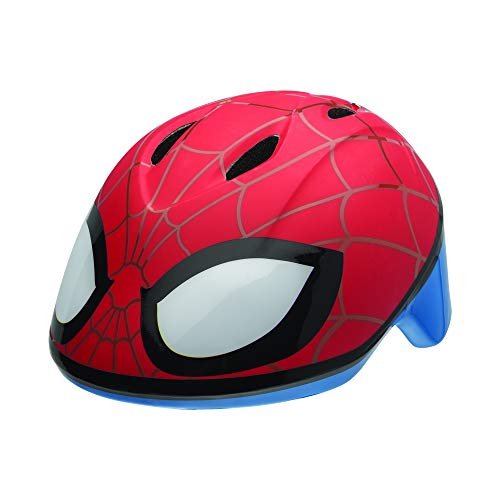
$21.59 · ages 3-5 · fits 48-52 cm · CPSC
Who it is for: Toddlers ages 3 to 5 in the common 48 to 52 cm range, which covers most kids that age.
The Bell Spiderman Spidey Eyes Toddler Helmet is CPSC certified for $21.59, sized for ages 3 to 5 and 48 to 52 cm heads, which is the fit range most toddlers fall into during those years.
Skip it if: Toddlers who have grown past 52 cm; step up to a kids helmet with a larger fit range instead.
Check price on AmazonGiro Scamp MIPS II Youth Bike Helmet

$69 · CPSC · MIPS
Who it is for: Families who want the highest protection available for a toddler, including rotational impact protection.
The Giro Scamp MIPS II is CPSC certified and adds MIPS for rotational impact protection, sized XS for 45 to 49 cm heads, at $69, making it the most protected toddler helmet in this size range on the market.
Skip it if: Budget conscious families who just need CPSC certification; the MIPS upgrade adds meaningful cost for a toddler who mostly falls at walking pace.
Check price on AmazonAlso worth a look


Prices change often; the button shows today's price on Amazon.
How we chose these helmets
Nothing here was worn or tested in person. Picks come from manufacturer specifications, printed CPSC certification, published centimeter fit ranges, and recurring themes in verified owner reviews about toddler sizing and whether kids will actually keep the helmet on. Where a fit range was not published, we do not state it as fact.
Fitting a helmet for a 45 to 52 cm head
| Typical head size | Approximate age |
|---|---|
| 45 to 48 cm | Around 1 to 2 years |
| 48 to 51 cm | Around 2 to 5 years |
| 51 to 52 cm | Around 5 years, transitioning to kids sizing |
Measure your toddler's head about an inch above the eyebrows with a soft tape measure, at the widest point, and compare that number directly to the fit range on the listing rather than the age label. Use the helmet size calculator or the age specific pages like helmet size for a 2 year old for a starting point.
Why CPSC certification matters even for a toddler bike or scooter
CPSC 16 CFR 1203 is the US bicycle helmet standard, and it applies regardless of how slowly a toddler is moving on a three wheel scooter or balance bike. Falls at walking and slow riding pace still produce real head impacts on pavement, and an uncertified novelty helmet does not carry the tested foam liner a CPSC certified one does. Every helmet on this page is CPSC certified; the Giro Scamp MIPS II adds MIPS on top of that floor for rotational impact protection.
Comparison: which toddler helmet fits which age
| GLAF Baby Bike Helmet | Bell Spiderman Toddler | Giro Scamp MIPS II | |
|---|---|---|---|
| Price | $19.79 | $21.59 | $69 |
| Certification | CPSC | CPSC | CPSC, MIPS |
| Age range | 1 and up | 3 to 5 | Check listing, XS 45 to 49cm |
| Best for | Very young or small headed toddlers | Most toddlers 3 to 5 | Families wanting maximum protection |
Buying tips: getting a toddler to actually wear it
Let your toddler pick between a couple of certified options; a licensed character design like the Bell Spiderman helmet or a bright color they like gets far less resistance than a plain adult style shell. Buckle the chin strap snug enough that the helmet does not shift when you gently rock it side to side, and re-check fit every few months since toddlers grow fast. A helmet worn loose or tipped back off the forehead does not protect the way a properly fitted one does.
Safety basics
Wear the helmet every ride, even short driveway laps, since most toddler falls happen at low speed close to home. Replace the helmet after any real fall even if it looks fine, since the foam liner compresses on impact and does not reset. Check your state and city rules; some require helmets for any wheeled riding device under a certain age.
The picks, side by side
Prices change often; the button shows today's price on Amazon.
More roundups
- Best toddler scooters
- Best electric scooters under $200
- Best electric scooters under $300
- Best cheap electric scooters
- Best electric scooter locks
- Best electric scooters for hills
Get these picks and prices by email
One page with every item and its current price, so you can budget the whole setup, helmet included, before you buy any of it.
Used only to send the list. You can also just read it on this page.Questions riders ask
What size helmet does a toddler need?
Most toddlers fall in the 45 to 52 cm range, moving from about 45 cm around age 1 to 2 up to about 52 cm around age 5. Measure your toddler's head circumference about an inch above the eyebrows and match it to the specific fit range printed on the helmet listing, since sizing varies by brand.
Is MIPS worth it for a toddler helmet?
It is a genuine safety upgrade since MIPS addresses rotational impact force from glancing falls, which are common at any age. For a toddler who mostly falls at walking or slow riding pace, a standard CPSC certified helmet is still adequate; MIPS is a nice to have rather than a requirement at this age and speed.
Do I need a different helmet for a scooter versus a balance bike?
No. A CPSC certified toddler helmet covers riding on a three wheel scooter, a balance bike, or a tricycle, since the certification is based on impact protection, not the specific vehicle. One properly fitted helmet works across all of them.
How often should I replace a toddler helmet?
Replace it immediately after any real fall or impact, even if it looks undamaged, since the foam liner compresses permanently to absorb force. Absent a crash, plan to replace it as your toddler grows out of the fit range, which for most kids happens within a year or two given how fast toddlers grow.
My toddler refuses to wear a helmet. What helps?
Let them choose between a couple of certified options so they have some ownership over the decision, and put a helmet on yourself when you ride together so it becomes normal rather than a rule just for them. Licensed character designs, like a Spiderman or Disney Princess helmet, tend to get far less resistance than a plain shell.
Wear a helmet every ride, and check your state and city rules on age, speed and where scooters may ride. This page is researched guidance, not professional, legal or medical advice. Specifications come from each product listing and can change; confirm on the listing before you buy.